
I don't usually pay attention to my weight unless I start to feel uncomfortable. Well, a week ago that day came. I've been super busy and not riding as much as I'd like over the past month, without changing my eating habits to accommodate. It was fine for a while, until one day I got on the bike and... well, let's just say I felt my tummy jiggle and fold in on itself as I pedaled. It was disconcerting. So I decided to go on a diet and get myself to a state of feeling comfortable again. The healthiest version of a crash diet I know is a low-carb, high fiber, high nutrition diet. It works extremely well, because in addition to making you eat healthier it also acts as an appetite suppressor. Here are the rules for anyone interested:
Things to cut out completely:
alcohol, sweets, junk food, bread, pasta, potatoes, rice, soda, most juices
Things to eat:
vegetables, lentils, nuts, eggs, milk, fish and meat (or tofu and quorn),high-fiber oatmeal, apples, berries, cheese, butter, unsweetened carrot and cranberry juice
How much to eat:
For a woman my size not engaged in strenuous exercise, around 1,200 calories a day will work. But this is ballpark; adjust for size/gender/exercise level. Go heavy on the vegetables, light on the fatty stuff, and medium on the protein.
How long will it take?
I see results in 1-2 weeks when I follow this strictly.
Sample Day's Menu:
breakfast:
oatmeal with butter and blueberries
lunch:
steamed spinach with sesame seeds and sliced almonds
dinner:
grilled salmon and asparagus, lentil soup
snacks:
apple, nuts, broccoli florets, baby carrots, coffee and tea with milk
So... I have been doing this for 5 days now. It was difficult on the first two days, then it got much easier. The fiber, the reduced carbohydrates, and the elimination of alcohol are the key here. I already feel a difference and in another week my body should be back to normal. Then I will have a good look at my schedule and try to get more riding in, so that I can eat whatever I want again (kidding, I will try to generally eat healthy from now on is what I meant to say)...


 A view from along the trail to the Forty-Nine Palms Oasis.
 There may have been forty-nine palms at the Oasis at one time, but no more. These are Desert Fan Palm trees, which can grow to 75 feet in height and live for 80 to 90 years. The Cahuilla Indians (pronounced: Ka-wee-yahs) used palm thatch to make their homes wind-and- waterproof. The leaf fibers were woven into ropes. Baskets were made with the palm fibers and sandals from the palm leaf fibers.
 There weren't many flowers in bloom yet at Joshua Tree, but the few that I saw, were gorgeous! Found along the trail, this Canterbury Bell was about 12 inches in height and was nestled against the rocks.
 A closeup of the Canterbury Bell. Beautiful.
 Heading back. You go up, then down, around, up, and down... definitely a good workout!


 Looking northeast from Rock Creek Vista Point (elevation 9,190 feet) in the Custer National Forest, Montana. The highway is that ribbon of white way down in the valley.
 Looking northwest from Rock Creek Vista Point. The speed limit was 25 mph along this stretch of winding switchbacks that traveled up the south side of the mountains.
 The view to the north, a short distance from Rock Creek Vista.
 From Rock Creek Vista, the road continued upward and into Wyoming where the peaks were viewed from across wide-open meadows.
 Stopping at almost every overlook along the way, I was taken by surprise when I saw this view as the lake was not visible from the road. The wind was quite strong and several times I had to brace myself when a big gust came along.
 Taken from near the summit (elevation 10,947 feet at Beartooth Pass) in Wyoming, looking towards the north. It was windy and cold, and the short walk to get this picture was quite exhilarating.


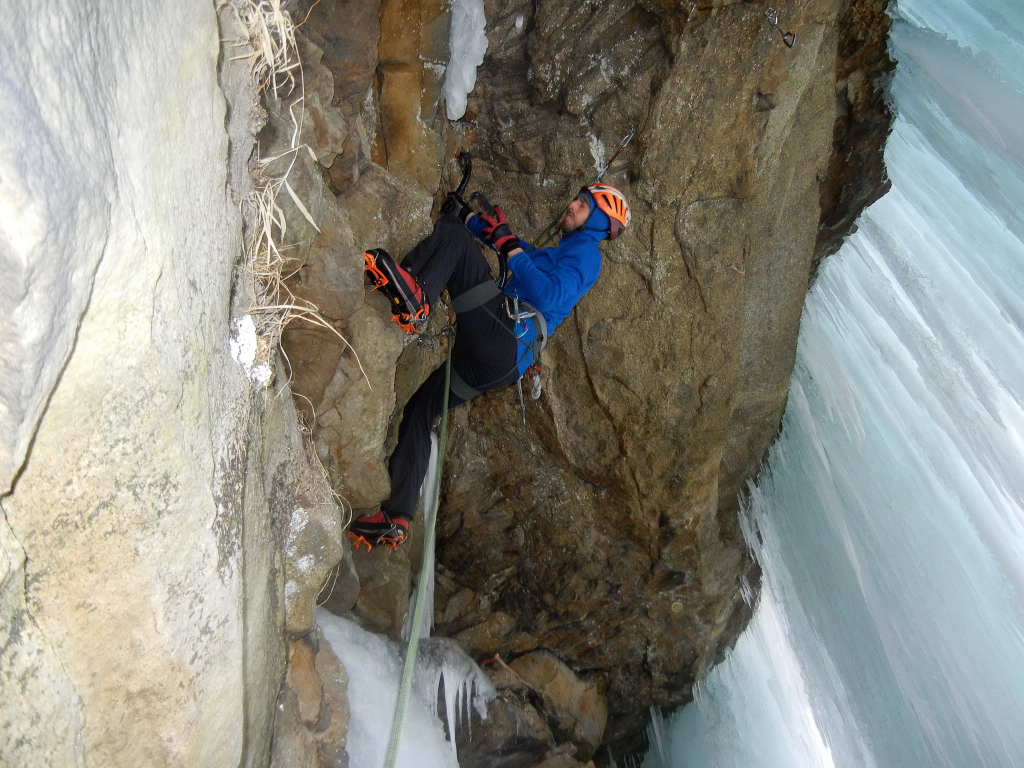


 Photo credt to: Eric Dumerac photo from Grav Sports of BD picks going back several generations and a decade or so. BD seems ot have solved that problem with a redesign of the picks last winter


 The two used picks above were new 2 short Chamonix mixed climbs earlier. Granite and a foot of new snow is like taking a grinder to a set of picks...any pick. No file used on these two and "good" by some of the standards I saw in Europe as "usable picks". Set is compared to a new Cascade Petzl pick in this picture . Trust me...picks in that condition really suck on ice. And now I ama beginning to understand why no one wants to bring a file on route. Why bother?
  A well worn Nomic with an old QuarkQuad pickinstalled. Theolder 4mm Quark Quad mixed picks have some distinct advantages on alpinemixed ground.
 The wear on C/T (top)and BD Aermet (bottom) from one trip up the Cassin. New picks in profile under the used picks.